
Metal products are an excellent choice when seeking durable, stable material for your project. While metals are known for their strength, their chemical composition may make them vulnerable.
Corrosion and rust are two processes that can impact the durability and stability of metal products.
This guide explains the corrosion process, and steps to prevent it during metal fabrication.
The Layman’s Primer on Corrosion And Rust
Corrosion results from metal reacting to substances in its environment. One common form of corrosion is rust, which results from oxygen atoms bonding with iron. The familiar flaky, red substance found on iron products exposed to moisture is the result. Over time, this process can result in a material loss that compromises the metal’s strength and integrity.
Other forms of corrosion can protect the product. The distinctive green color that forms on brass and copper products is also a form of corrosion. Known as patina, this form of corrosion creates a protective layer over the material’s surface. This layer serves to protect the underlying metal from experiencing further corrosion. Preventing corrosion and rust is an ongoing process that starts during the design phase of the fabrication process.
Preventing Rust and Corrosion Starts During Metal Fabrication
Choices made during the design stage of your project can contribute to your product’s resistance to corrosion. Everything from the material used to the welding techniques applied has a direct impact on how resistant to this process your product is.
● Material Selection: Your choice of material will significantly impact your product’s resistance to corrosion. Your selection should be driven by the demands that will be placed on your product and the environment in which it will be used. Stainless steel, for example, is resistant to corrosion due to its inclusion of chromium.
● Surface Preparation: Proper preparation of the surface of your material is essential to prevent corrosion. The first stage of this preparation is cleansing the surface of any oil, debris, or rust collected on it. When working with an existing surface, it’s common to sandblast it to ensure that all contaminants are eliminated, including existing corrosion spots. Chemical treatments are sometimes used when sandblasting is risky or undesirable.
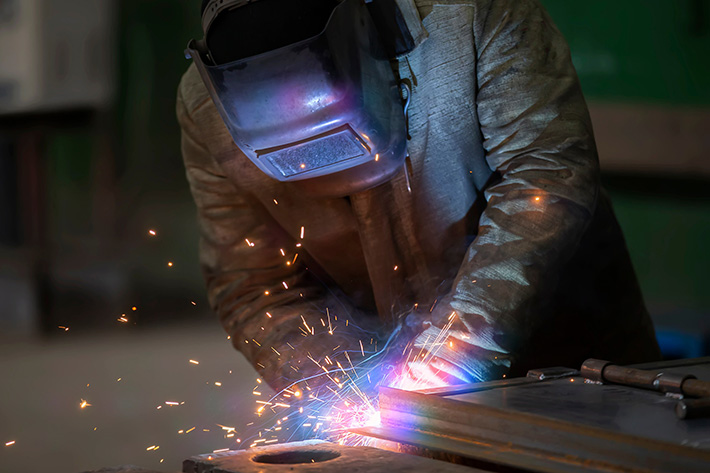
● Proper Welding Technique: Welding is a complex process requiring the right welding material for the best results. The Tungsten Gas Arc Welding process best performs lower-temperature precision work. Shielded Metal Arc Welding is an appropriate choice when higher heat can be tolerated or is necessary. However, the SMAW approach also creates a wider grain structure in the weld, making it more vulnerable to corrosion from environmental factors.
● Finishing Touches: When the fabrication process is complete, it’s common to coat the material’s surface when corrosion is a concern. This can be done using powder coat processes or paint. Powder coats are known for their durability, making the material more resistant to corrosive elements.
It’s critical to pay close attention to these factors when planning your metal fabrication project. Doing so ensures that your result will be appropriate for its environment and stand the test of time against corrosion and rust.
Get Advice from Your Metal Fabrication Professionals
Don’t leave its long-term integrity to chance when planning your next project. Working with laser cutting and metal fabrication experts such as Prototech Laser in Chesterfield ensures you’ll make the best choices to protect your investment.
Our team works closely with our clients to ensure they get the best possible results. Regardless of your project’s nature, we’ll review the available options and help identify the best materials and processes for it. When your project is finished, you’ll have peace of mind knowing it’s protected against costly and dangerous damage from corrosion and rust.